Health and Safety Policy for Carpet Cleaners SW6
 This health and safety policy sets out the standards followed by carpet cleaners SW6 to protect staff, customers, visitors, and property during every stage of a cleaning task. The aim is to create a safe working environment, reduce avoidable risks, and ensure that carpet cleaning services are delivered responsibly. All team members are expected to work with care, use suitable equipment, and follow safe systems at all times.
As a professional carpet cleaning service, we recognise that each property presents different conditions. Floors may be slippery, electrical outlets may be close to working areas, and cleaning products must be handled correctly. Because of this, our approach is based on identifying hazards early, using practical controls, and maintaining consistent standards. Safety is treated as an essential part of service quality, not an extra step.
Every operative is expected to take personal responsibility for health and safety. This includes wearing appropriate footwear, reporting damaged equipment, and using products exactly as directed. Supervisors or managers should ensure that work is organised so that risks are minimised and that all staff understand the procedures relevant to carpet cleaners SW6.
Core Safety Principles
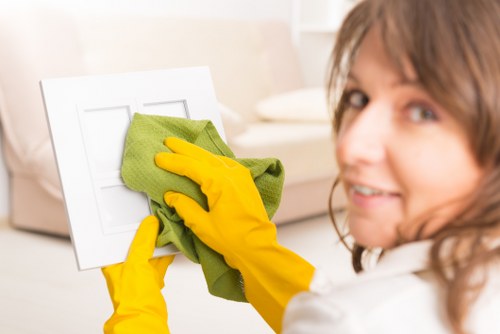 The main safety principles used by carpet cleaners include risk assessment, safe product use, correct equipment handling, and clear communication. Before work begins, the area should be checked for hazards such as loose rugs, trailing cables, fragile objects, or limited ventilation. Where needed, furniture may be moved carefully and only when it can be done without causing damage or injury.
Cleaning chemicals must always be selected and diluted according to manufacturer instructions. Professional carpet cleaners SW6 should store products securely, keep them clearly labelled, and avoid mixing chemicals unless explicitly permitted. Protective gloves and other suitable personal protective equipment should be used when handling detergents, spot removers, or stain treatments. This reduces the chance of skin irritation, slips, or accidental exposure.
Electrical safety is equally important. Machines should be checked before use, with attention to plugs, leads, and overall condition. If equipment appears unsafe, it should be taken out of service immediately. Water and electricity must be managed carefully so that extraction machines and extension leads do not create preventable danger. These checks form part of a reliable carpet cleaning policy for safe working.
Working Practices and Risk Control
Safe Setup and On-Site Behaviour
 At the beginning of each job, the working area should be made as secure as possible. This may involve placing warning signs in suitable locations, protecting nearby surfaces, and ensuring walkways are kept clear. Staff should move at a steady pace, avoid rushing, and maintain awareness of wet flooring during and after the cleaning process. Good housekeeping is a basic but vital control measure for carpet cleaners SW6.
Manual handling is another important area of control. Items such as vacuum cleaners, water tanks, and portable extraction units can be heavy or awkward to lift. Operatives should use correct lifting techniques, seek help for bulky items, and avoid twisting while carrying equipment. Where possible, machinery should be moved using wheels or trolleys rather than being lifted unnecessarily. This supports safer performance across all carpet cleaning services.
Noise, ventilation, and general working conditions should also be considered. If a room is poorly ventilated, windows may need to be opened where appropriate, and staff should take care when using products that may produce strong odours. Work should be paused if conditions become unsafe or if a customer’s property creates additional hazards that cannot be controlled immediately. A sensible health and safety approach depends on adapting to the environment.
Incident Reporting and Responsibility
All accidents, near misses, spills, and equipment faults should be reported promptly so that corrective action can be taken. This helps prevent repeat incidents and supports continuous improvement in the safety management process. Records should be kept where appropriate, and lessons learned should be shared with staff in a practical way. Strong reporting habits are essential for carpet cleaners SW6 who want to maintain dependable standards.
In the event of a chemical spill, staff should isolate the area, follow the product safety instructions, and clean the spill safely using suitable materials. If a person is injured, first aid should be provided where possible, and emergency procedures should be followed. No one should continue working in conditions that could worsen the situation. Safety always takes priority over speed or convenience in carpet cleaning.
Management is responsible for ensuring that equipment is maintained, staff are trained, and policies are reviewed regularly. Workers must cooperate with safety measures, use the correct procedures, and raise concerns when something seems unsafe. By maintaining these shared responsibilities, carpet cleaners SW6 can deliver effective results while protecting people, property, and professional standards.
 This policy should be reviewed periodically to ensure it remains suitable for current working methods, products, and equipment. Training may be refreshed when new machinery is introduced or when procedures change. A clear and consistent safety culture helps keep every carpet cleaning task organised, controlled, and safe. Carpet cleaners who commit to these principles are better placed to achieve reliable outcomes.
Ultimately, this health and safety policy is designed to support safe, efficient, and professional working practices across all carpet cleaning services. It reflects the need to protect employees, customers, and property while maintaining high standards of workmanship. Where hazards are identified, they should be managed decisively and with care.
 By following these requirements, carpet cleaners SW6 can reduce risk, improve consistency, and create a safer working environment on every project. The policy applies to all staff and should be treated as a fundamental part of daily operations, not an optional extra.