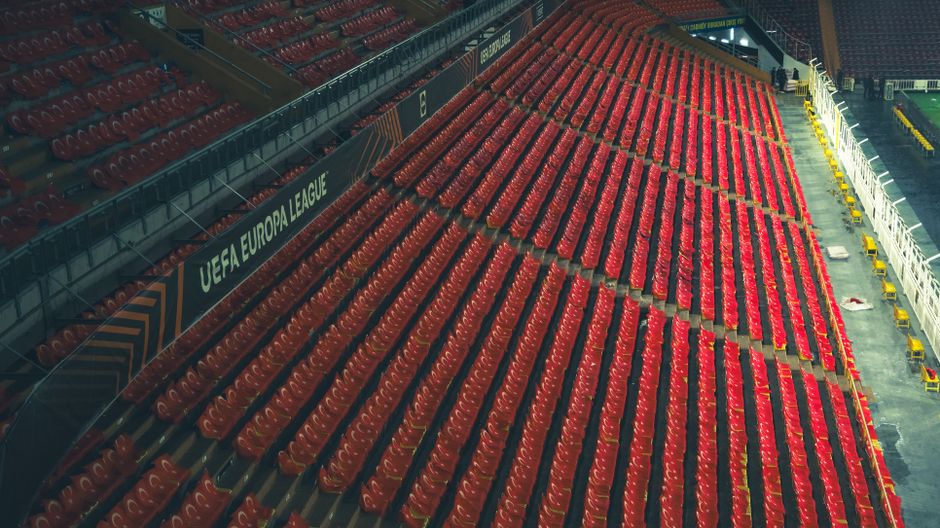
Stamford Bridge upholstery cleaning after match day stains
Posted on 19/06/2026
If you have ever walked into a lounge, reception area, hospitality space, or rented property after a big match and seen the aftermath, you will know the feeling. Sticky drink rings, food smears, mud at the base of seats, and that slightly sour mix of damp fabric and spilled lager can settle in fast. Stamford Bridge upholstery cleaning after match day stains is really about getting ahead of that mess before it becomes a long-term problem. The sooner you act, the better the result, and honestly, the less faff later on.
This guide breaks down what matters, how upholstery cleaning works in a real-world post-match setting, what to avoid, and when professional support makes more sense than a do-it-yourself attempt. It also covers fabric care, practical steps, and the sort of detail people often miss when they are rushing to restore a room after a busy football day.
Contents
- Why Stamford Bridge upholstery cleaning after match day stains matters
- How Stamford Bridge upholstery cleaning after match day stains works
- Key benefits and practical advantages
- Who this is for and when it makes sense
- Step-by-step guidance
- Expert tips for better results
- Common mistakes to avoid
- Tools, resources and recommendations
- Law, compliance, standards, or best practice
- Options, methods, or comparison table
- Case study or real-world example
- Practical checklist
- Conclusion
- Frequently asked questions
Why Stamford Bridge upholstery cleaning after match day stains Matters
Match day creates a very specific kind of upholstery problem. It is not just one stain. It is a cluster of them. Think beer, soft drinks, sauce, mud, sweat, crumbs, and the occasional mystery mark from a bag, jacket, or pie that did not survive the crowd. Upholstery absorbs all of that differently depending on the fabric, the dye, and how long the spill sits there. That is why quick, correct cleaning matters so much.
In a venue or home near a stadium environment, the pace of life is different on match days. People come in and out quickly, shoes track in dirt, drinks get knocked, and seats are used harder than usual. If you leave stains to dry, they can bond into the fibres, leave a tide mark, or start to smell. And no one wants to sit on a sofa that still carries the memory of Saturday afternoon.
There is also a presentation issue. Clean upholstery changes how a room feels. A tidy armchair, sofa, bench seat, or banquette makes the whole space look cared for, which matters whether you are managing a hospitality room, a rental property, or your own living room after visitors have piled in. If you want broader background on the company behind this kind of work, you can explore the about us page and their approach to quality and consistency.
Practical takeaway: the faster you treat match day upholstery stains, the more likely you are to remove them cleanly without flattening the fabric or spreading the mark.
How Stamford Bridge upholstery cleaning after match day stains Works
Upholstery cleaning is not one single method. Good cleaning is matched to the stain, the fibre, and the construction of the furniture. That sounds simple, but it is exactly where a lot of people go wrong. A velvet armrest, a synthetic banquette, and a wool blend sofa do not want the same treatment. Not even close.
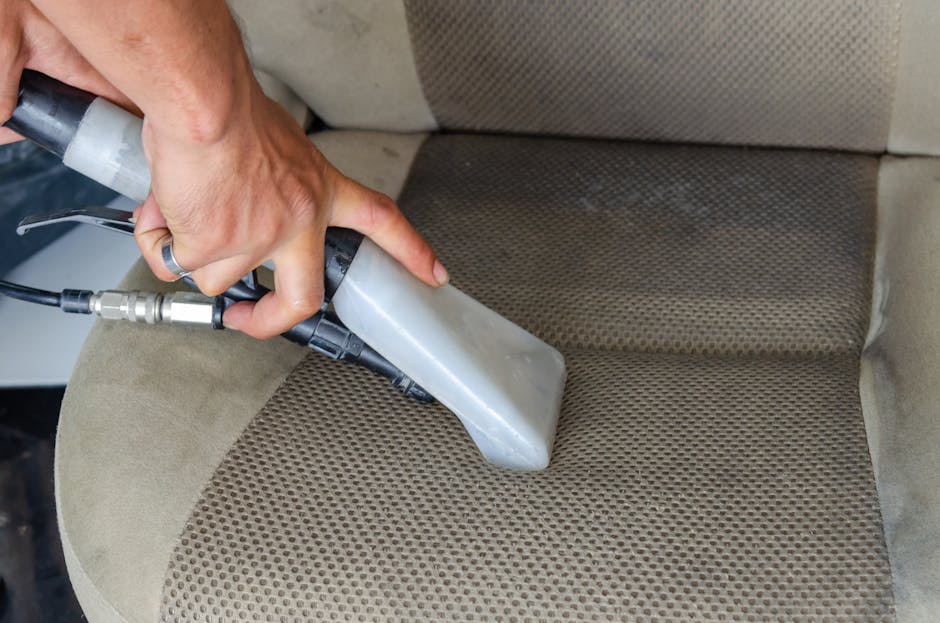
The process usually starts with inspection. You check the fabric type, the stain type, and whether there are any signs of colour transfer, pile distortion, or previous cleaning residue. Then comes dry soil removal. You do not want to push grit deeper into the material, because that just creates abrasion. After that, the cleaner chooses a stain-specific pre-treatment and a suitable extraction or low-moisture method, depending on the upholstery.
For drink stains, the goal is to lift sugars and pigments before they set. For greasy food stains, the task is different: oils need breaking down without over-wetting the fabric. Mud and outdoor grime are often easier to remove if you let them dry first and brush away loose particles gently before treatment. It is a bit of a dance, really. Clean too aggressively and you risk spreading the problem; clean too lightly and the stain remains in the fibres.
Professional upholstery care often includes:
- fabric identification and colour stability checks
- careful vacuuming or dry soil removal
- targeted stain pre-treatment
- controlled cleaning with minimal over-wetting
- rinsing or extraction where suitable
- drying support to reduce wicking and odour
If your upholstery is part of a wider cleaning schedule, it can also help to review the wider services overview or compare it with carpet cleaning in Fulham, because flooring and seating often need attention together after a busy event day.
Key Benefits and Practical Advantages
The obvious benefit is stain removal, but there is more to it than that. Good upholstery cleaning protects the actual furniture, saves money over time, and makes the space more usable the next day. That last part matters more than people realise. If a room needs to be turned around quickly after a match, you need speed as well as cleanliness.
Here are the main advantages:
- Better appearance: fresh fabric makes a room look cared for, even if it has had a hectic weekend.
- Odour reduction: drink spills, food residues, and damp dirt can leave lingering smells.
- Longer fabric life: treating stains correctly reduces wear, fibre damage, and colour dulling.
- Healthier environment: regular cleaning helps remove soil, allergens, and grime trapped in fibres.
- Faster turnaround: useful for hospitality spaces, rentals, and any home that gets busy on match day.
There is also a bit of reputational value if the upholstery is in a business setting. Guests notice the details, even if they do not mention them. A clean sofa says, without fuss, that the place is looked after. If you are managing customer-facing spaces, it may also be worth looking at office cleaning support or house cleaning for more frequent upkeep, depending on how the room is used.
Who This Is For and When It Makes Sense
This kind of cleaning is not only for commercial operators. Plenty of different people end up needing it, and not all of them expect to. A shared home, a short-let property, a hospitality lounge, a private box, a pub snug, a landlord's furnished flat, or even a family sofa used during a match-day gathering can all end up with the same kind of damage.
You should consider upholstery cleaning after match day stains if:
- there are visible marks that did not come out with gentle spot cleaning
- the fabric smells damp, stale, or sour after a spill
- the furniture has light-coloured fabric and the stain edges are spreading
- food, drink, or mud has dried into seams or piping
- the upholstery is delicate, textured, or expensive enough that you do not want to risk a DIY mistake
- the room needs to be ready again within a tight timeframe
For landlords and property managers, the issue is often not just stain removal but presentation before viewings, check-ins, or inspections. In those cases, upholstery care can sit alongside end of tenancy cleaning or a deeper refresh of the property. If you are interested in local context and how people use homes and venues in the area, the articles on local Fulham life and the atmosphere of Fulham offer a useful read as well.
Step-by-Step Guidance
If the stain is fresh, there is a sensible sequence to follow. Speed matters, but so does restraint. The biggest mistake people make is panicking and rubbing. Rubbing just drives the stain deeper and can rough up the pile. That is how a simple spill turns into a permanent patch. Nobody needs that drama on a Sunday morning.
- Blot, do not rub. Use a clean, absorbent cloth and press gently from the outside of the stain inward.
- Lift loose debris first. If there is food, soil, or dried residue, remove the solids before introducing any liquid.
- Test in a hidden spot. Always check colourfastness and texture response before applying any solution widely.
- Use the right cleaning approach. Water-based stains, oil-based stains, and protein-based stains all behave differently.
- Apply product sparingly. Over-wetting can cause rings, distortion, and hidden moisture in the padding.
- Work gently through the stain. Use light motions and pause often to assess the result.
- Extract or blot out residue. The cleaner the rinse-out, the less chance of sticky residue attracting dirt later.
- Dry properly. Airflow is your friend. Damp upholstery left alone can develop odour or wicking marks.
On more stubborn marks, especially mixed spills after a match, it is wise to pause and reassess rather than keep attacking the same area. Sometimes the best move is to stop before damage happens, then bring in a specialist. That is not failure. That is just good judgement.
Expert Tips for Better Results
There are a few habits that make a noticeable difference. In our experience, they save time and improve outcomes more than any flashy product ever will. Simple, boring, effective. That is the formula.
Act quickly, but calmly
The stain has a head start the longer it sits. Even so, rushing can make things worse. Take a breath, identify the stain, and use a measured approach.
Know your fabric
Cotton, linen, velvet, chenille, synthetic blends, and leather-feel materials all behave differently. Velvet is especially sensitive because agitation can crush the pile and change the way the light hits the surface. If that sounds familiar, the guidance on refreshing velvet without risking colour fading is a helpful related read.
Be careful with heat
Heat can set some stains, especially protein or sugar-based marks. If in doubt, stick to cool or lukewarm methods and avoid hairdryers blasting one spot too hard. A little warmth is fine in some cases, but a scorched patch is not.
Mind the seams and piping
Stains often collect at stitching, seams, and decorative edges. These areas trap moisture easily, so they need lighter treatment and slower drying.
Use airflow after cleaning
Open windows if practical, improve ventilation, and avoid putting cushions back before they are properly dry. It sounds obvious. People still skip it.
If sustainability matters to you, there are also choices around low-impact cleaning methods. You can read more about the company's stance on eco-friendly cleaning practices if that is part of your decision-making.

Common Mistakes to Avoid
Most upholstery damage after a spill is not caused by the stain itself. It is caused by the response to the stain. That is the awkward truth.
- Scrubbing aggressively: this spreads the mark and wears the fibres.
- Using too much water: excess moisture can cause rings, odours, and padding saturation.
- Skipping a test patch: even a mild product can affect dye or texture.
- Mixing products: combining cleaners can leave residue or create an unpredictable reaction.
- Ignoring drying time: damp upholstery can attract new dirt and develop smell.
- Treating every stain the same: beer, ketchup, mud, and grease need different handling.
Another common issue is trying to "make it look clean" before fully removing the residue. That can hide the stain temporarily but leave the fabric sticky, which then grabs more dirt after the next match. Not ideal, obviously.
Tools, Resources and Recommendations
You do not need a van full of specialist gear to handle basic first response, but you do need the right few things. Good tools reduce panic and improve consistency.
| Tool or item | What it is useful for | Why it helps |
|---|---|---|
| Microfibre cloths | Blotting fresh spills | Absorbent, gentle, and less likely to spread the stain |
| Soft upholstery brush | Lifting dry soil and loosening debris | Protects the fabric surface better than stiff scrubbing |
| Portable extraction equipment | Deeper cleaning and residue removal | Helps remove cleaning solution and embedded grime |
| Fabric-safe spot treatment | Targeted stain work | Allows precise cleaning rather than soaking the whole seat |
| Dry towels or absorbent pads | Controlling moisture | Useful for pressing out liquid from fresh spills |
For readers comparing broader service options, upholstery cleaning in SW6 is the most directly relevant service page, while pricing and quotes is the sensible next stop if you are planning a booking or budgeting for a property turnaround.
Law, Compliance, Standards, or Best Practice
For upholstery cleaning, the biggest compliance point is not a dramatic legal threshold. It is safe, sensible working practice. In the UK, cleaning should be carried out with attention to fabric care, health and safety, and appropriate handling of any cleaning products or equipment. If the work is in a business setting, the duty to protect staff, customers, and visitors becomes even more important.
That means good ventilation, cautious use of chemicals, and awareness of slip risks while floors and seating dry. It also means protecting delicate furniture rather than treating every job like a generic wipe-down. If a cleaner cannot explain how they would approach different fabrics, that is a warning sign. A small one, maybe, but still a warning sign.
You can also look at the company's published health and safety policy, insurance and safety information, and payment and security details if you want reassurance about process and professionalism. For service expectations and customer care, the pages on complaints procedure, terms and conditions, and privacy policy are also useful background. Small things, but they build trust.
Options, Methods, or Comparison Table
Different stains and fabric types call for different approaches. Choosing the wrong method is how people end up with water rings, colour bleeding, or flattened pile. Here is a simple comparison to help you think it through.
| Method | Best for | Pros | Limitations |
|---|---|---|---|
| Blotting and light spot treatment | Fresh, small spills | Quick, low risk, minimal moisture | May not remove deep or dried stains |
| Low-moisture upholstery cleaning | Delicate fabrics, faster drying needs | Less saturation, reduced drying time | Not always enough for heavy soiling |
| Extraction cleaning | General deep cleaning, sticky residues | Good residue removal, strong overall refresh | Needs careful control on sensitive fabrics |
| Specialist stain treatment | Set-in drinks, food, or mud marks | Targets specific stain chemistry | Requires skill and testing first |
As a rule of thumb, if the fabric is delicate or the stain is old, a specialist method is usually safer than a brute-force clean. If the stain is fresh and simple, a gentle first response may be enough. Simple enough, but easy to misread in the moment.
Case Study or Real-World Example
Here is a realistic scenario. Imagine a furnished flat that gets used for match-day guests. After the final whistle, someone has placed a pint glass on a pale fabric arm of the sofa, a sauce stain has landed near the seat seam, and muddy marks have appeared where people kept their feet and bags. By the next morning, the drink ring is already drying into the weave, and the sauce has begun to darken at the edges.
A sensible response would be to isolate the area, blot the fresh liquid, brush away any dry soil, and test a hidden spot before touching the fabric with a stain treatment. If the sofa is a synthetic blend, extraction may be suitable; if it is a more delicate weave or a velvet finish, a lighter method is often safer. The goal is not to make the furniture "wet clean" by default. The goal is to get the result without creating a second problem.
In that sort of real-world job, the key difference is discipline. Not excitement. Not guesswork. Just careful, calm work. And, to be fair, that is what most upholstery needs after a noisy match day. If you want to understand the local lifestyle context around these kinds of properties and spaces, Fulham real estate investment tips and property sales in Fulham can help explain why presentation matters so much in this part of London.
Practical Checklist
Use this checklist before, during, and after cleaning. It is basic, but it keeps the job on track.
- Identify the stain type: drink, food, mud, grease, or mixed spill
- Check the fabric label or note the material type
- Blot fresh liquid immediately with a clean cloth
- Remove solid residue gently before adding moisture
- Test your chosen method in a hidden area
- Use minimal product and avoid soaking the upholstery
- Work from the outside of the stain inward
- Extract or blot out cleaning residue thoroughly
- Allow full drying with ventilation
- Inspect for rings, fading, or texture change once dry
If the room is part of a wider upkeep schedule, it is worth looking at domestic cleaning in Fulham or house cleaning in SW6 so upholstery care fits into a sensible routine instead of becoming a one-off panic job every time there is a big match.
Get a free quote today and see how much you can save.
Conclusion
Stamford Bridge upholstery cleaning after match day stains is less about fancy equipment and more about understanding what the fabric needs, how the stain behaves, and when to stop doing it yourself. That balance matters. Act fast, use the right method, avoid over-wetting, and respect the fabric. Do those things, and the chances of restoring the upholstery properly go up a lot.
Whether you are dealing with a single wine ring after a gathering or a proper multi-stain cleanup after a busy football day, the same principle applies: careful work now saves a much bigger headache later. And once the room feels clean again, it really does feel like the day has been reset. Nice, isn't it?
For readers who want to learn more about the business and its broader standards, the most useful next reads are about us and structure and excellence. If you are ready to move from reading to action, that is perfectly reasonable too.