Same day stain removal hurdles in Fulham and how cleaners cope
Spill a coffee on a cream rug at 8:10 in the morning and, by lunch, you are already googling what to do next. That is the reality behind Same day stain removal hurdles in Fulham and how cleaners cope: fast decisions, tight timing, and a lot of pressure to stop a mark from turning into a permanent problem. In Fulham, with busy homes, shared entrances, period flooring, rented flats, and the usual London rush, stain removal is rarely a simple wipe-and-go job.
Some stains sit on the surface. Others sink in, spread out, or react badly to the wrong product. And if you need help the same day, there is usually a mix of time pressure, access issues, fabric concerns, and drying-time headaches. This guide breaks down what makes same-day stain work tricky, how professional cleaners cope in real life, and what you can do to improve the odds of a good result. Truth be told, speed helps - but speed alone does not save every carpet.
Why Same day stain removal hurdles in Fulham and how cleaners cope Matters
Same-day stain removal matters because stains are time-sensitive. The longer a spill sits, the more it bonds with fibres, dyes, finishes, grout lines, or timber sealants. That is not dramatic, just how materials behave. In a place like Fulham, where you might have wool carpets in a family home, fabric upholstery in a rental flat, or a stain on engineered flooring after a dinner party, the clock starts ticking quickly.
There is also the local side of it. Fulham properties often have a few awkward realities: limited parking, controlled access, narrow staircases, busy streets, and residents who need the job done between school runs, work calls, and evening plans. It sounds small, but these practical constraints shape what a cleaner can do and how fast they can do it. If a technician arrives and cannot park near the property, the whole rhythm of the job changes. Simple as that.
Then there is the emotional part. A fresh stain is annoying. A fresh stain on a sofa you paid good money for is worse. People do not usually want a lecture; they want damage control. Cleaners who work well under pressure understand that. They assess first, act carefully, and avoid making a bad patch larger. That calmer approach is often what separates a decent result from a rushed mess.
Key point: same-day stain removal is less about speed alone and more about making the right choice quickly, with the least risk to the fabric, floor, or finish.
How Same day stain removal hurdles in Fulham and how cleaners cope Works
At a practical level, same-day stain removal usually follows a simple pattern: identify the stain, judge the material, choose the safest treatment, test it if needed, then remove and neutralise the residue. The hard part is that no two spills are quite the same. Red wine on a light carpet is different from mud on a hallway runner, and both are different again from grease on a sofa arm.
Professionals cope by working through a quick decision tree. They look at what caused the stain, how long it has been there, whether the area is natural or synthetic, and whether any previous product has already been used. That last one matters more than people think. A stain sprayed with the wrong supermarket cleaner can sometimes become harder to shift because the product sets the mark or alters the fibre.
In Fulham, cleaners also have to adapt to access and timing. If a customer needs emergency stain help in the middle of the day, the job may need to fit around residents, pets, school pickups, or office hours. A good cleaner plans for that with compact equipment, quick setup, and realistic communication. No one benefits from a promise that sounds heroic but falls apart at the front door.
Here is the basic process, in plain English:
- Assess the stain - what caused it, how old it is, and what surface it is on.
- Protect the area - avoid spreading the stain or saturating the material.
- Choose a method - dry extraction, spot treatment, steam-based cleaning, or specialist product application.
- Test carefully - especially on dyed fabrics, delicate rugs, or upholstery.
- Treat in stages - remove as much as possible before using stronger methods.
- Rinse or neutralise - to reduce residue that can attract dirt later.
- Dry properly - because damp left behind can lead to marks, odour, or re-soiling.
That final step gets overlooked far too often. A stain may look gone, but if the area is left too wet, you can end up with a ring, a smell, or a patch that darkens again as it dries. Annoying, yes. Common, also yes.
Key Benefits and Practical Advantages
The obvious benefit of same-day stain removal is that the stain is addressed before it has time to settle in. But there are a few less obvious advantages worth understanding.
- Better stain recovery: Fresh spills are usually easier to lift than old ones, especially on absorbent materials.
- Lower risk of permanent marking: Acting early can reduce the chance of dye transfer, fibre damage, or staining shadows.
- Less disruption: Fast action means you can often keep using the room sooner.
- Fewer home remedies gone wrong: Professional treatment can stop a stain from becoming a bigger problem after a DIY attempt.
- More confidence for tenants and landlords: This matters in end-of-tenancy situations where a stain may affect inspection outcomes.
There is also a quieter benefit: peace of mind. When someone arrives, looks at the stain properly, and explains what they can and cannot do, it takes a lot of the stress out of the room. You stop guessing. You know where you stand. That alone can be worth a great deal on a hectic day.
If the stain is on a high-use surface such as a hallway carpet, dining chair, or office reception upholstery, same-day help can also prevent the mark from spreading through foot traffic or repeated touching. One spill becomes five small ones very quickly in a busy home. You know how it goes.
Who This Is For and When It Makes Sense
Same-day stain removal is not for every situation, but it is genuinely useful in a lot of them. It makes the most sense when the stain is fresh, the surface is valuable or delicate, or the timing matters because guests, landlords, clients, or family members are due soon.
It is especially relevant for:
- Tenants and landlords dealing with carpets, sofas, or mattresses before inspections or move-out dates.
- Families with children, pets, or a household that seems to create a new spill every other day.
- Homeowners who want to protect rugs, curtains, or upholstery without waiting for a later appointment.
- Busy professionals who need the job handled efficiently, with minimal disruption.
- Hospitality and short-let hosts who need a room presentable quickly, especially around check-in windows.
- Small businesses with client-facing floors, reception areas, or fabric seating.
Sometimes it makes sense to call in help immediately; sometimes it does not. If a stain is on a delicate antique textile, for example, the best same-day move may be careful containment rather than aggressive cleaning. Same day does not mean same risk level. A good cleaner will say that out loud, which is reassuring even if it is not the answer you hoped for.
In practice: if the stain is spreading, smells stronger by the hour, or sits on a surface you cannot easily replace, same-day action is usually worth exploring.
Step-by-Step Guidance
What should you do before a cleaner arrives? And what should the cleaner do once on site? The answer depends on the stain, but the flow below is a sensible baseline.
1. Stop the stain from spreading
Blot, do not rub. Rubbing drives the spill deeper and can distort fibres. Use a clean cloth or paper towel and press gently from the outside in. If it is a liquid spill on carpet, work carefully so you do not enlarge the wet patch.
2. Avoid adding the wrong product
This is where well-meaning people get into trouble. Vinegar, bleach, washing-up liquid, soda water, and mystery sprays can all behave differently depending on the material. Some help. Some make things worse. If you are unsure, leave it alone and let a professional assess it.
3. Identify the material
Is it wool, synthetic carpet, velvet, cotton, leather, or lacquered wood? The same stain behaves differently on each one. A cleaner will often ask about the material before they commit to a treatment, and for good reason.
4. Check for previous treatment
If you already tried something, tell the cleaner exactly what it was. That detail can save a lot of time. Even a quick attempt with a household spray can alter the stain's chemistry or leave residue that changes how extraction works.
5. Choose the least risky method first
Professional cleaners usually start with the gentlest workable method, then step up if needed. That might mean spot extraction, low-moisture treatment, targeted solvent use, or controlled steam cleaning depending on the stain and surface.
6. Manage drying time
Same-day cleaning is not really finished until the area is drying properly. Airflow, room temperature, and the amount of moisture used all matter. On a damp London afternoon, drying can take longer than you expect. Rather frustrating, but manageable.
7. Inspect the result before calling it done
Cleaners will often check from different angles, because some stains look gone under one light and reappear under another. That slightly odd shadow you only notice near the window? Exactly that.
Expert summary: the safest same-day approach is usually calm, methodical, and a touch boring. That is a compliment. Rushed cleaning looks dramatic in the moment but tends to create more work later.
Expert Tips for Better Results
When you want a better outcome, small decisions matter. Most of the time, it is not the big flashy product that makes the difference. It is the discipline around it.
- Act quickly, but not blindly. Fast action helps, but random scrubbing does not.
- Keep the stain cool if needed. Heat can set certain stains, especially protein-based marks or some dyes.
- Work from the outside in. That reduces spreading.
- Lift, absorb, extract. Avoid rubbing in circles like you are polishing a table.
- Use good ventilation. Open a window if appropriate, or use airflow to support drying.
- Tell the truth about the spill. Coffee with milk, wine, sauce, pet accident, makeup, ink - the more precise, the better.
- Watch for hidden damage. Some stains fade but leave fibre distortion, scent, or colour loss.
A practical local point: in Fulham homes with limited space, people often try to speed up drying by turning heating too high. That can be a mistake. Gentle warmth and airflow are usually better than blasting a room hot and hoping for the best. Carpet edges can curl. Upholstery can set oddly. Not ideal.
If you are dealing with recurring marks, such as a pet area on a rug or a dining chair that gets the same spill every month, it can help to pair stain treatment with a wider service such as stain removal or, where fabric is involved, upholstery cleaning. That is often more sensible than treating each mark as a one-off emergency forever.
Common Mistakes to Avoid
The same few mistakes show up again and again. They are understandable, but they can cost time and sometimes cause permanent damage.
- Scrubbing too hard: This pushes the stain deeper and roughs up the surface.
- Using the wrong cleaner: Bleach on the wrong fabric can cause colour loss or fibre damage.
- Adding too much water: Excess moisture spreads stains and can leave rings.
- Waiting too long: A fresh spill is far easier to tackle than a set-in stain.
- Ignoring hidden residue: If cleaning solution stays behind, the area can attract dirt again.
- Assuming all stains are the same: Food, tannin, oil, dye, and protein stains each behave differently.
- Not testing first: A hidden patch test can save visible damage later.
Another mistake is expecting perfection after a delay. If a stain has had hours to settle, a cleaner may improve it dramatically without fully erasing every trace. That is not failure; that is honest chemistry. Good professionals will explain that clearly rather than oversell the result.
Tools, Resources and Recommendations
Professionals cope with same-day stain removal by using the right combination of inspection tools, treatment products, and drying support. You do not need all of this at home, but it helps to understand what is involved.
| Tool or method | What it helps with | Best use case |
|---|---|---|
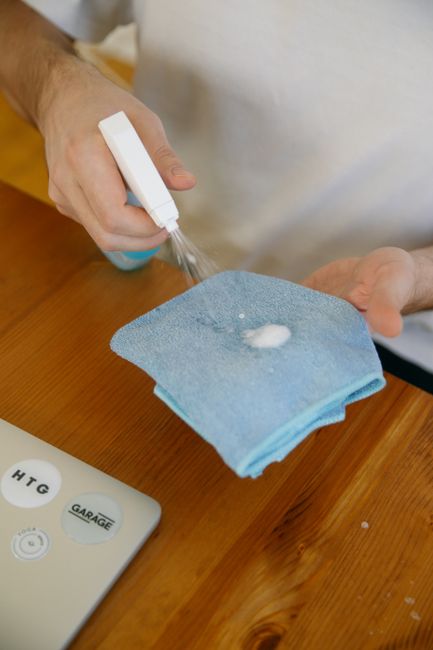
| Microfibre cloths | Controlled blotting and residue removal | Fresh liquid spills on most surfaces |
| Spot-testing kit | Checking colourfastness and material response | Delicate fabrics, rugs, and upholstery |
| Extraction equipment | Lifting stain and solution from fibres | Carpets, rugs, and some upholstery |
| Specialist stain treatments | Tackling dye, tannin, grease, or protein marks | Specific stain types after assessment |
| Air movers or fans | Speeding safe drying | When the area needs quick re-use |
| Protective covers and pads | Preventing re-soiling and transfer | Busy homes, hallways, and seating areas |
For readers comparing broader help, services like carpet cleaning, steam carpet cleaning, and sofa cleaning can be useful when a stain is only one part of a larger cleaning need. A single patch on a carpet may reveal the rest of the room is due a proper clean anyway. Happens all the time, to be fair.
If the problem is a pet-related accident, odour can be as important as the visible mark. In that case, a dedicated service such as pet stain odour removal may be more appropriate than a generic spot clean.
Law, Compliance, Standards and Best Practice
For stain removal, the main compliance questions are usually practical rather than legalistic. Still, professional cleaners should work with care, proper product handling, and sensible safety measures. In a home, that means protecting occupants, surfaces, and air quality. In a business or rental setting, it also means minimising disruption and making sure the work does not create a slip hazard or leave a residue problem behind.
Reputable cleaners generally follow a few best-practice principles:
- Test before treating on delicate or unknown materials.
- Use products safely and according to the surface type.
- Keep walkways safe if floors are damp after cleaning.
- Handle electrical and water risks carefully around equipment.
- Communicate limitations honestly when a stain may be permanent or partly permanent.
It is also sensible to ask about insurance and safety practices, especially when work is being carried out in furnished homes or commercial settings. A cleaner who takes safety seriously usually has a more disciplined approach overall, and that tends to show in the finish. For more on this side of things, see insurance and safety and the company's health and safety policy.
For payment confidence and general trust signals, you can also review payment and security and terms and conditions. Those pages do not remove the need for a sensible conversation on site, but they do help set expectations clearly.
Options, Methods, and Comparison Table
Not every stain needs the same response. Sometimes spot treatment is enough. Sometimes the cleaner needs to treat the full area so the result blends properly. And sometimes a broader clean is the smarter choice because the stain sits inside a patch of general wear.
| Method | Strengths | Limitations | Best for |
|---|---|---|---|
| DIY blotting | Immediate, low-cost, can slow spreading | Limited power, easy to overdo | Fresh minor spills |
| Spot cleaning | Fast, targeted, efficient | May leave an edge or ring | Small localised stains |
| Steam or hot water extraction | Strong cleaning and residue removal | Needs proper drying time | Carpets and some upholstery |
| Specialist stain treatment | More precise for tricky marks | Requires skill and correct identification | Wine, ink, grease, dye transfer |
| Full-area cleaning | Best for blending and appearance | More time and often more cost | Visible patches or older stains |
One useful rule of thumb: the more visible the area, the more important it is to avoid a patchy finish. On a hallway runner or living room carpet, a tiny residue line can look bigger than the original stain. Funny how that happens. So a broader treatment is sometimes the cleaner choice, even if the stain itself seemed small.
If you are comparing service types for a larger property reset, deep cleaning or one-off cleaning may make more sense alongside stain treatment. For rental moves, end-of-tenancy cleaning is often the framework people already need, with stain removal folded into it.
Case Study or Real-World Example
Here is a realistic scenario from a typical Fulham flat, not a dramatic story, just the kind of thing cleaners see all the time. A tenant spills red wine on a pale rug late on a Friday. The stain is blotted quickly, but by the time help is booked, there is already a faint dark edge and the rug has started to dry unevenly. The room is used for guests the next day, so same-day help is the goal.
The cleaner arrives, checks the fibre type, confirms there was no bleach or home remedy used, and tests a small corner. Because the spill is still relatively fresh, the technician works in stages: gentle pre-treatment, careful extraction, and controlled drying. The visible mark improves a lot, but the cleaner also notices a faint tide line at the edge. Rather than overworking it and risking fibre damage, they explain that a second pass may be needed if the line becomes more visible once fully dry.
That is the sort of judgement people do not always see. It can feel a bit unsatisfying in the moment because everyone wants the stain gone now. But careful restraint often gives the best real-world outcome. Not every job is a movie montage with magic results in 30 seconds.
The same logic applies to upholstery after food spills, or to a carpet in a busy house near Parsons Green where foot traffic keeps moving the spill from one area to another. In situations like that, a local specialist service can make a noticeable difference, especially where speed, access, and careful drying all matter.
Practical Checklist
Use this quick checklist if you need same-day stain help in Fulham.
- Blot the spill gently with a clean cloth.
- Do not scrub the area.
- Do not add random cleaning products unless you know they are safe for that surface.
- Note what caused the stain and when it happened.
- Tell the cleaner whether the area is carpet, rug, upholstery, mattress, or hard flooring.
- Say if you already used any product on it.
- Make sure there is access to the room and enough space to work.
- Keep pets and children clear of the treatment area.
- Allow time for drying and ventilation.
- Ask what outcome is realistic before work begins.
Quick reminder: a careful first response can make a bigger difference than any miracle product. Seriously. Most of the time, that first ten minutes sets the tone for everything that follows.
Conclusion
Same-day stain removal in Fulham sounds simple on paper, but in real life it is a balancing act. You are dealing with time pressure, varied materials, local access issues, drying challenges, and the very human urge to fix the problem fast. Cleaners cope by assessing carefully, using the least risky effective method, and staying honest about what can realistically be achieved in one visit.
If you remember one thing, let it be this: the best same-day result usually comes from calm action, not frantic rubbing. Fresh stains can often be improved dramatically, but the quality of the response matters just as much as the speed. A thoughtful cleaner will protect the surface, explain the limits, and leave you with a result that looks better and lasts longer.
If you are dealing with a stain right now, the next sensible step is to act gently, gather the details, and get help before the mark has time to settle deeper into the fabric or floor.
Get a free quote today and see how much you can save.
Frequently Asked Questions
How quickly should I act after a stain happens?
As quickly as you can, but without rubbing or flooding the area. The first few minutes matter because fresh stains are usually easier to lift than ones that have already set.
Can a same-day cleaner remove every stain?
No, not every stain can be fully removed. Some marks have already bonded with the material, altered the colour, or damaged the fibre. A good cleaner will explain the likely outcome before starting.
What stains are hardest to deal with on the same day?
Dye-based stains, oil marks, ink, and anything that has already been treated with the wrong product can be tricky. Red wine, coffee, and pet accidents also need careful handling because they can spread or leave odour behind.
Is it better to use home products before the cleaner arrives?
Usually not, unless the cleaner has already advised you to do so. Home remedies can sometimes make the stain worse, set it deeper, or leave residue that complicates professional treatment.
How do cleaners decide which method to use?
They look at the stain type, the surface material, how long the stain has been there, and whether any previous product was used. The safest method is usually tried first, then stepped up if needed.
Will the area be wet for long afterwards?
It depends on the method and the material. Low-moisture methods dry faster, while extraction-based cleaning may need more time. Good airflow helps a lot, especially in cooler or damp weather.
Do same-day stain removals cost more?
They can, because urgent jobs often require schedule changes, quicker travel, and immediate treatment. The exact cost depends on the stain, the fabric, the size of the area, and the time required.
Can stain removal damage delicate fabric?
Yes, if the wrong product or technique is used. That is why testing and material identification matter so much. Delicate textiles should always be treated cautiously, even when the job is urgent.
What should I tell the cleaner before they arrive?
Tell them what caused the stain, when it happened, what surface it is on, whether you tried anything already, and if there are any access issues. Those details help them prepare properly and avoid mistakes.
Is same-day stain removal useful for tenants and landlords?
Very often, yes. It can help before inspections, move-out checks, or new tenancy handovers. Acting early may also reduce the chance of a stain becoming a larger repair or replacement issue.
What if the stain is old rather than fresh?
It may still improve, but the treatment can be more involved. Older stains sometimes need more than one pass or a broader cleaning approach to blend the result properly.
Can a cleaner help with odour as well as the visible mark?
Yes, especially where pet accidents, food spills, or damp residue are involved. In those cases, stain removal and odour treatment often need to go together for a proper result.
Should I choose spot cleaning or a full clean?
Spot cleaning is fine for a small, isolated mark. If the stain sits in a visible area, or if the rest of the surface is also tired or patchy, a fuller clean may produce a much better finish overall.
What is the safest first step if I am unsure what the stain is?
Blot gently, avoid applying products, and call for advice. If the stain is on a valuable or delicate surface, caution is better than guesswork. A careful pause now can save a lot of regret later.