Parsons Green upholstery cleaning cost and real price guide
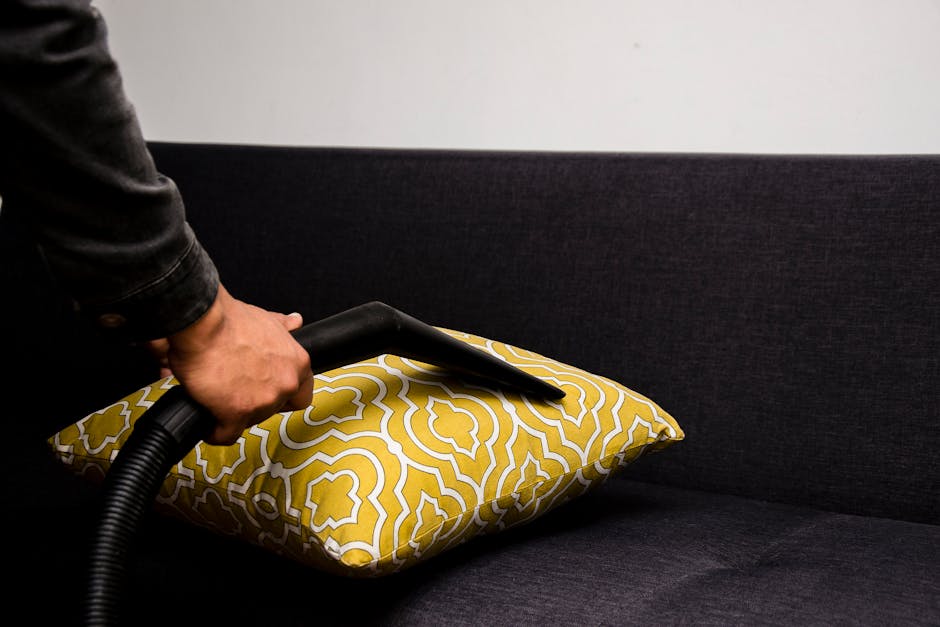
If you have ever looked at a tired sofa or a chair with one suspicious stain and thought, "How much is this actually going to cost me?", you are in the right place. Parsons Green upholstery cleaning cost and real price guide is exactly the kind of topic that sounds simple until you start asking for quotes and realise the numbers can vary a lot. Fabric type, item size, stain severity, access, drying time, and even the cleaner's method all change the final price. This guide breaks it down in plain English, so you can compare quotes properly, spot fair pricing, and avoid paying for things you do not need.
We will cover what affects upholstery cleaning prices in Parsons Green, how the service usually works, what a realistic quote looks like, and when specialist treatment is worth it. There is also a comparison table, a practical checklist, and a few local-minded examples to help you make a sensible decision without the usual guesswork. Let's face it, nobody enjoys overpaying for a sofa clean. Not even a little bit.
Why Parsons Green upholstery cleaning cost and real price guide Matters
Upholstery is one of those things you stop noticing until the light hits it just right on a bright morning and, well, everything shows. In Parsons Green, where many homes are furnished with decent sofas, dining chairs, armchairs, and ottomans that see heavy daily use, cleaning costs matter because replacement is far more expensive than maintenance. A good clean can extend the life of a piece of furniture, improve the look of a room instantly, and help remove the build-up of dust, food residue, pet dander, and everyday grime.
The "real price" part is important too. Upholstery cleaning quotes are often less straightforward than people expect. One cleaner may price by item, another by fabric type, and another by how long the job will take. If you are comparing prices in Parsons Green, you need a way to judge whether a quote is sensible rather than just cheap.
There is also a trust angle. A low quote can be tempting, but it may exclude stain treatment, deodorising, travel, or VAT. On the flip side, an unusually high quote may simply include more detailed work or specialist care for delicate fabrics. Knowing the shape of the market helps you ask better questions. That alone can save you a fair bit.
How Parsons Green upholstery cleaning cost and real price guide Works
Professional upholstery cleaning usually starts with an inspection. The cleaner looks at the fabric, the level of soil, any visible marks, and whether the item can safely handle water-based cleaning, solvent-based cleaning, or a low-moisture approach. This matters because the method affects both the result and the price.
Most cost estimates are built from a few moving parts:
- Item size - a two-seater sofa takes less time and solution than a large corner sofa.
- Fabric type - cotton, polyester, velvet, wool blends, and leather all need different handling.
- Condition - light refresh cleaning is quicker than heavy stain removal or odour treatment.
- Access - awkward staircases, no lift, or tight parking can add time to the visit.
- Drying requirements - low-moisture methods can be more convenient but may be priced differently.
- Extras - protectors, deodorising, pet stain treatment, and specialist spot removal may be optional add-ons.
In practice, the process is usually fairly simple. You request a quote, describe the furniture honestly, and if possible send a few photos. A cleaner then gives an estimate based on the item count and likely complexity. On arrival, they may revise the quote if the item is more heavily soiled than expected. That is normal, as long as it is explained clearly before work starts.
If you are already comparing related services, it can also help to look at sofa cleaning and upholstery cleaning service information so you understand how item-based pricing is typically structured. For larger home refreshes, some people combine this with deep cleaning to tackle the rest of the room while the furniture is being treated.
Key Benefits and Practical Advantages
Good upholstery cleaning is about more than making a sofa look slightly brighter. It can make a room feel fresher, reduce the stale, dusty smell that builds up in fabric, and remove the dulling film that appears over time. If you have ever sat down and thought the room felt a bit "off" without knowing why, the upholstery may be part of it.
- Longer furniture life - regular care helps prevent abrasive dirt from wearing fibres down.
- Better appearance - colours look cleaner and fabric texture usually comes back to life.
- Odour reduction - useful if pets, cooking smells, or general living have settled into the fabric.
- Better hygiene - a useful benefit in homes with children, pets, or frequent guests.
- Property presentation - very useful before viewings, holidays lets, or move-out inspections.
There is also a practical money-saving benefit. Cleaning a sound sofa is often much cheaper than replacing it. For a good-quality piece, that difference can be significant. And to be fair, many people only realise this after the first professional clean. It is a bit of a "why didn't we do this sooner?" moment.
If the upholstery is part of a broader refresh, you may want to compare it with carpet cleaning or stain removal if the same spill has spread beyond one item. For homes with pets, pet stain odour removal can be especially useful when the smell lingers even after surface cleaning.
Who This Is For and When It Makes Sense
This topic is useful for almost anyone with upholstered furniture, but some situations make it especially relevant.
- Homeowners and tenants who want the lounge to look decent again without replacing furniture.
- Landlords preparing a property between lets.
- People moving in or out who want a fresh start and fewer hidden smells.
- Pet owners dealing with fur, odour, or the occasional accident.
- Families with children where crumbs, drink spills, and general life happen daily.
- Small businesses with waiting-room seating, reception chairs, or soft furnishings.
It also makes sense if your furniture is structurally fine but visually tired. A sofa with a few marks and flattened areas is often a strong candidate for cleaning. A torn, sagging, or badly faded item may need repair or replacement instead. That distinction matters, because cleaning should improve the item, not somehow perform miracles. Tempting though that would be.
If you manage a rental or guest property, pairing the work with end of tenancy cleaning, move-in cleaning, or move-out cleaning can make the whole turnover more efficient.
Step-by-Step Guidance
Here is a practical way to approach upholstery cleaning in Parsons Green without getting tangled up in jargon or vague promises.
- Identify the item
Note what needs cleaning: sofa, armchair, dining chair, footstool, headboard, or something more delicate. Be precise. "A sofa" is useful, but "a three-seater fabric sofa with one visible coffee stain" is better. - Check the fabric label if available
Look for any care instructions. If there is a code or cleaning note, share it with the cleaner. If the label is missing, say so. Better honest than guessing. - Take a few clear photos
Natural daylight works best. Include the whole item and any stains up close. Photos often help avoid pricing surprises. - Ask what the quote includes
Clarify whether stain treatment, deodorising, and spot pre-treatment are included. Ask about VAT, minimum charges, travel, and parking assumptions if relevant. - Compare more than the headline price
A slightly higher quote may actually be better value if it includes proper pre-treatment or a safer method for delicate fabrics. - Prepare the space
Move small items away, clear cushions if needed, and make access as easy as possible. It sounds minor, but it can save time and avoid awkward delays. - Confirm drying expectations
Ask how long the item is likely to take to dry and what you should avoid during that period. Usually, fresh air helps, but each fabric is different. - Check the finish before the cleaner leaves
Look at problem areas in daylight where possible. If a stain needs another pass, it is easier to say so on the spot.
That is the real flow of it. No drama, just a bit of sensible preparation.
Expert Tips for Better Results
In our experience, the best upholstery cleans often come down to the small details. Not the flashy ones.
- Be specific about the problem - "general use" and "red wine spill from last Friday" are not the same job.
- Deal with stains sooner rather than later - the longer a spill sits, the more it bonds with the fibres.
- Vacuum first if you can - loose debris can interfere with cleaning and make a room feel messier than it is.
- Do not oversoak delicate fabric - more water is not automatically better, despite what people sometimes assume.
- Ask for fabric-safe methods - velvet, wool, and mixed fibres can need a more careful approach.
- Use the cleaning visit as a reset - if the cleaner is already there, tackle the worst item properly rather than splitting a modest job into three tiny visits.
A simple little trick: photograph the item before cleaning and again after. Not for social media. Just for your own sanity when you want to remember whether the marks really were that bad. Spoiler: they usually were.
If you are building out a wider home care plan, related services like regular cleaning and domestic cleaning can help keep soft furnishings from getting back to that grimy stage quite so quickly.
Common Mistakes to Avoid
Most pricing headaches come from simple misunderstandings. The good news? They are easy to avoid once you know what to look for.
- Choosing only by cheapest quote - the lowest price often excludes the bits that matter.
- Not checking what fabric you have - this is a classic. You may think it is straightforward, but the fabric disagrees.
- Ignoring heavy staining until the last minute - if you wait too long, stain removal becomes more difficult and may cost more.
- Forgetting access issues - parking constraints and stair access can affect time and price.
- Assuming all cleaners use the same method - they do not. Some specialise in hot water extraction, others in low-moisture processes.
- Skipping the dry-time question - nothing is more annoying than needing the sofa at 6 p.m. and finding it still damp at 5:45.
Another mistake is treating a cleaning quote like a fixed supermarket price. It is not. Upholstery cleaning is more like a tailored service, so accurate information leads to accurate pricing. The cleaner is not being difficult; they are trying not to guess wrong and undercharge or overpromise.
Tools, Resources and Recommendations
You do not need much to prepare for an upholstery clean, but a few simple tools and habits make the process smoother.
- A vacuum cleaner - useful for removing loose dirt, crumbs, and pet hair before the appointment.
- Soft brush attachment - helpful for lifting debris from seams and cushions.
- Microfibre cloth - good for careful blotting if a spill has just happened, although do not rub aggressively.
- Phone camera - take photos for quoting and before/after comparison.
- Notebook or notes app - keep track of item count, visible stains, and any special access notes.
For quote comparison, look for clear service descriptions and a transparent pricing approach. A page such as pricing and quotes can help you understand how the business frames its estimates, while payment and security and terms and conditions are worth checking if you want to understand how the booking works before confirming anything.
If you are choosing a provider, background pages like about us, insurance and safety, and health and safety policy can be reassuring because they show how the company approaches risk, access, and customer care. That sort of detail matters more than a glossy promise.
Law, Compliance, Standards, or Best Practice
For upholstery cleaning, there usually is not a single legal rule that sets a standard cost. Pricing is commercial, not regulated in that way. What matters more is that the service is delivered safely, honestly, and with care for the fabric and the property.
Good practice in the UK typically means:
- giving clear, accurate descriptions of what is included in the quote;
- explaining any limitations before work begins;
- using suitable products and methods for the material;
- handling chemicals and electrical equipment safely;
- taking reasonable care around floors, walls, and surrounding furniture;
- being transparent if a stain may not fully lift.
If you are a tenant, landlord, or managing agent, it is sensible to align cleaning expectations with the overall condition and handover of the property. Upholstery cleaning is often just one part of a move-out or end-of-tenancy schedule, so clear communication helps avoid disputes later. Plain, honest records are your friend here.
For commercial settings, extra care is often needed because of public access, regular use, and health-and-safety expectations. In those cases, commercial cleaning, office cleaning, or commercial carpet cleaning may form part of the same maintenance plan.
Options, Methods, or Comparison Table
Different upholstery cleaning methods suit different furniture. The right choice depends on fabric, soil level, and how quickly you need the item back in use.
| Method | Best for | Typical strengths | Possible drawbacks |
|---|---|---|---|
| Hot water extraction | Many fabric sofas and chairs | Deep clean, effective soil removal | Longer drying time, not ideal for all delicate fabrics |
| Low-moisture cleaning | Sofas needing quicker turnaround | Faster drying, convenient for busy homes | May be less suitable for heavy embedded soiling |
| Specialist stain treatment | Targeted marks or spills | Useful for problem spots, odour issues, and stubborn marks | Not every stain will fully disappear |
| Leather cleaning and conditioning | Leather sofas and chairs | Helps maintain appearance and finish | Needs careful product choice and technique |
Price often follows method choice. A standard fabric sofa clean is usually simpler than a full stain-and-odour treatment. If you are dealing with visible marks plus lingering smells, expect the quote to reflect the extra time and product use. That is normal. Different jobs, different effort.
Case Study or Real-World Example
Picture a typical Parsons Green living room on a weekday afternoon. A family has a three-seater fabric sofa, a matching armchair, and two dining chairs. Over time the sofa has picked up general dulling, a small coffee mark near the arm, and a faint pet smell after the winter months when everything was closed up. Nothing dramatic. Just life.
They ask for a quote and send a couple of decent photos in natural light. The cleaner identifies the fabric as a standard woven textile, explains that the coffee mark may need targeted pre-treatment, and notes that the pet odour may improve significantly but cannot be guaranteed to vanish completely if it has soaked deep into the cushion padding.
The final price is higher than a basic refresh clean, but not wildly so, because the job includes:
- full upholstery cleaning for three items;
- spot treatment for the coffee stain;
- light odour treatment;
- on-site inspection and method adjustment.
What made the difference was clarity. The customer did not just ask, "How much for a sofa?" They described the condition properly. In return, the quote felt fair and understandable. That is usually where the best outcomes start. Not with bargain hunting, but with good information.
Practical Checklist
Use this before you book.
- Identify each item clearly: sofa, chair, footstool, headboard, or dining chair.
- Check for fabric care labels if they are available.
- Take clear photos in daylight.
- List stains, odours, pet issues, or high-traffic wear.
- Ask what the quote includes and excludes.
- Confirm whether travel, parking, VAT, or minimum charges apply.
- Ask about drying time and aftercare.
- Make access simple on the day.
- Keep any booking notes or written quote for reference.
- Check company information such as insurance and safety and contact us if you need to clarify anything before booking.
Expert summary: the real price of upholstery cleaning is usually about clarity, not mystery. If you know the item, the fabric, the condition, and the access, you are already most of the way to a sensible quote.
Conclusion
Parsons Green upholstery cleaning cost and real price guide is really about making a practical choice with your eyes open. A fair quote reflects the furniture type, the fabric, the amount of work involved, and any extras that genuinely improve the result. Once you understand those pieces, the whole process becomes much easier to judge.
That is the nice part, honestly. You do not need to be an expert cleaner to make a smart decision. You just need a few good questions, a clear description of the job, and a realistic view of what the service can and cannot do. If your sofa still has good bones but looks a bit tired around the edges, a professional clean can be a very satisfying fix.
Get a free quote today and see how much you can save.
And if you do nothing else, remember this: the best price is not always the cheapest one. It is the one that gives you a clean result, no awkward surprises, and furniture you actually want to sit on again.
Frequently Asked Questions
How much does upholstery cleaning usually cost in Parsons Green?
Prices vary depending on the item, fabric, and condition, so there is no single fixed number. A simple refresh clean is usually cheaper than heavy stain treatment or odour removal. The most reliable way to get a real price is to request a quote with photos and a clear description of the furniture.
Why do upholstery cleaning quotes differ so much?
Because the job itself differs so much. One sofa may be lightly used and easy to clean, while another may have pet odour, food stains, and awkward access. Some quotes also include extras such as deodorising or protector treatment, while others do not.
Is it cheaper to clean a sofa than replace it?
Usually, yes. If the sofa is structurally sound and the fabric is still in good condition, cleaning is often far more cost-effective than buying new furniture. Replacement makes more sense when the frame, filling, or fabric is badly damaged.
What information should I give for an accurate quote?
Tell the cleaner the item type, fabric if known, visible stains, odours, pet issues, and access details. Photos help a lot. The more accurate your description, the less chance of a surprise on the day.
Does the type of fabric change the price?
Yes. Delicate or specialist fabrics often need more careful cleaning methods, which can affect the price. Leather, velvet, wool blends, and mixed fibres may each need different products or techniques.
How long does upholstery cleaning take?
That depends on how many items are being cleaned and how dirty they are. A single chair may be quick, while several sofas and chairs can take much longer. Drying time is separate, and that can vary too.
Will all stains come out?
Not always. Some stains are permanent, have set deeply into the fibres, or have changed the colour of the material. A good cleaner should explain what is likely to improve and what may only partly lift.
Is deodorising included in the price?
Sometimes it is, sometimes it is an optional extra. If odour is a concern, ask directly before booking so you know whether the quote includes that treatment.
Should I choose the cheapest upholstery cleaner?
Not automatically. The cheapest quote can be fine, but only if it includes the right method and does not hide extra charges. Value matters more than headline price alone.
Can upholstery cleaning be combined with other services?
Yes, and that can be sensible if you want a broader refresh. Many people combine it with carpet cleaning, one-off cleaning, or house cleaning to save time and get the whole room looking consistent.
How do I know if a cleaner is trustworthy?
Look for clear service information, transparent pricing, and practical details about safety, insurance, and terms. Pages like about us and complaints procedure can also tell you how a company handles customer issues if anything goes wrong.
Is upholstery cleaning worth it for rental properties?
Very often, yes. Fresh upholstery can improve presentation for viewings and handovers, and it may help with the overall cleanliness standard of the property. For many landlords and tenants, it is a smart part of a move-out plan rather than an optional luxury.
What should I do before the cleaner arrives?
Clear small items from around the furniture, make access easy, and keep pets out of the way if possible. If you have booked additional services such as curtain cleaning or rug cleaning, make sure those items are ready too. A little prep goes a long way.