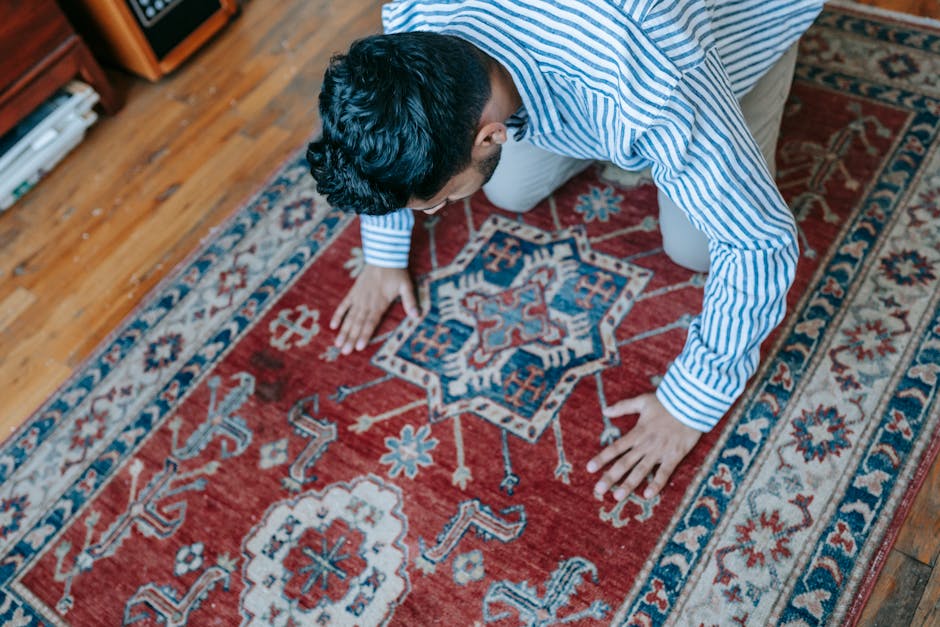
Fulham Palace rug cleaning and restoration guide for SW6 homes
If you live near Fulham Palace, you already know how quickly a beautiful rug can go from centrepiece to problem spot. A bit of winter grit, one coffee spill, a pet accident, or years of foot traffic in a busy SW6 home can leave fibres looking dull, flattened, and oddly tired. This Fulham Palace rug cleaning and restoration guide for SW6 homes is here to help you make sense of what actually works, what can go wrong, and when it is worth bringing in a specialist. Not every rug needs the same treatment, and truth be told, that is where many people go wrong.
Below, you will find a practical, local-minded guide to cleaning methods, restoration steps, common mistakes, and the signs that your rug needs more than a standard tidy-up. It is written for real homes, real mess, and real-life timing. Because let's face it, a rug does not wait until you have a free weekend.
Why Fulham Palace rug cleaning and restoration guide for SW6 homes Matters
Rugs do more than soften a room. In many SW6 homes they anchor the whole space, especially in sitting rooms, dining areas, hallways, and bedrooms where hard flooring can feel a little bare. Around Fulham Palace, homes often deal with a mix of city dust, seasonal moisture, and day-to-day living that settles into fibres before you notice. One day the rug looks fine. Then the light hits it in the morning and, oh, it is looking flat, patchy, or oddly grey.
Regular rug cleaning matters because dirt behaves like fine abrasive grit. It works down into the pile and slowly wears fibres from within. Restoration matters because not all visible damage is just dirt. A faded area may be sun damage. A ripple may be from poor drying. A stain ring may have set in after the spill itself seemed to vanish. If you ignore these signs, the rug can lose both appearance and structure.
There is also the sentimental side. A rug may have been chosen carefully for a first flat, inherited from family, or brought home after years of saving. In those cases, cleaning is not just maintenance; it is preservation. And for natural-fibre, wool, silk-blend, hand-tufted, Persian, Oriental, or antique rugs, the wrong method can do real harm very quickly.
Expert takeaway: if a rug is valuable, delicate, hand-made, or already damaged, the priority is not to "clean harder". It is to identify the fibre, the dye stability, the backing, and the type of soiling before doing anything else.
For many households, the practical aim is simple: make the rug look better, last longer, and feel clean underfoot without leaving residue, harsh odours, or dampness that lingers. That is the balance worth aiming for.
How Fulham Palace rug cleaning and restoration guide for SW6 homes Works
A proper rug clean usually starts with inspection, not shampoo. That sounds obvious, but it is the step most people rush. A trained cleaner looks at fibre type, weave, dyes, pile height, wear patterns, damage, and any previous repairs. They also check for moth activity, backing weakness, old stains, edge fraying, and colour loss. You cannot choose the right method until you know what you are dealing with.
In many cases, the process then follows a careful sequence:
- Dry soil removal: loose grit, dust, and debris are lifted out first.
- Testing: dyes and fibres are checked for reaction to moisture or cleaning agents.
- Targeted stain treatment: specific marks are treated individually rather than blanket-soaking the whole rug.
- Deep cleaning: either low-moisture, hand-cleaning, immersion, or controlled extraction is used depending on the rug.
- Rinsing and pH balancing: residues are removed where appropriate so the fibres do not feel sticky or attract dirt again.
- Drying: the rug is dried evenly and safely to avoid odour, browning, or distortion.
- Restoration work: fringe repair, edge binding, reweaving, colour correction, pile grooming, or moth damage repair may follow.
For synthetic rugs, a standard clean may be enough. For wool or hand-made pieces, the method is often gentler and slower. Restoration can be as light as reshaping an edge or as involved as repairing worn selvedges, stabilising tears, or reworking a section of fringe. It is not glamorous work, but it makes a huge difference.
If you are comparing professional services, look at how they explain rug cleaning as well as more general deep cleaning. The best providers usually talk about fibre safety first and appearance second, which is the right order, to be fair.
Key Benefits and Practical Advantages
The benefits of rug cleaning and restoration are partly visual, but the useful gains go much further than that. In a home near Fulham Palace, where people come and go, footwear brings in grit, and rooms often serve more than one purpose, the improvements are easy to notice.
- Better appearance: colours look richer and patterns become visible again.
- Longer rug life: less embedded dirt means less fibre wear over time.
- Improved indoor feel: a cleaned rug smells fresher and feels softer underfoot.
- Odour reduction: spills, pet smells, and damp-related issues are addressed at the source.
- Repair of visible damage: fraying, edge wear, or small tears can often be stabilised before they spread.
- Better room hygiene: dust, allergens, and trapped debris are reduced.
- Higher resale or replacement value retention: if you ever move or redecorate, the rug has a better chance of still looking worth keeping.
There is a practical side too. Cleaning a decent rug properly is often far cheaper than replacing one, especially if the rug is large, bespoke, or chosen to match the room precisely. And if the rug is part of a rental property, a serviced apartment, or a family home that needs to stay presentable, the return on care can be surprisingly obvious.
Some homes also pair rug care with other domestic upkeep. That makes sense. A rug can collect dust from curtains, sofa fabric, and open windows, so it is often helpful to combine it with upholstery cleaning or curtain cleaning when you are doing a proper refresh.
Who This Is For and When It Makes Sense
This guide is for homeowners, tenants, landlords, and property managers in SW6 who want a rug to be clean without being damaged. It is especially relevant if your rug is one of the following:
- wool, silk, viscose, jute, sisal, or blended natural fibres
- hand-knotted, hand-tufted, or handmade
- large enough that DIY moving and cleaning becomes awkward
- showing stains from food, drink, pets, or muddy shoes
- faded, flattened, or starting to smell musty
- fraying at the edges or losing threads at the fringe
- part of a move-in, move-out, or deep seasonal reset
It also makes sense if you are hosting guests, preparing for a tenancy check-out, or trying to restore a room after decorating. A freshly painted wall next to a tired rug can make the whole room feel unfinished. That contrast is not subtle.
You may not need a full restoration if the issue is only light surface soiling. But if the rug has a stain that has gone dark, a strong smell, or visible structural wear, it is worth assessing sooner rather than later. A small problem can be fixed neatly. A neglected one tends to spread.
For property turnover or busy households, services like end of tenancy cleaning, move-in cleaning, and move-out cleaning often pair well with rug work because timing matters. The room is already being reset, so the rug can be treated at the same time.
Step-by-Step Guidance
If you want a sensible approach to rug cleaning and restoration, start with this sequence. It is simple enough to follow, but it avoids the biggest mistakes.
1. Identify the rug correctly
Check the label if there is one. If not, look closely at the pile, backing, fringe, and weave. Wool feels different from synthetic fibres. Silk-like sheen, loose hand-knotting, or uneven natural yarns usually mean more caution is needed. If in doubt, assume the rug is delicate until proven otherwise.
2. Test for colour stability
Dampen a small, hidden area with a barely wet white cloth and blot gently. If the dye transfers, do not continue with water-based cleaning at home. That does not mean the rug is ruined. It means it needs a safer method and probably professional attention.
3. Remove dry soil first
Vacuum carefully on both sides if the construction allows it. Use suction rather than aggressive brush agitation on fragile rugs. If the fringe is delicate, avoid dragging the head directly over it. A lot of grit can come out at this stage, and the rug already looks better. Small win.
4. Treat stains individually
Blot spills with a clean absorbent cloth. Do not scrub. Scrubbing drives the stain deeper and distorts the pile. For wine, tea, coffee, pet urine, or food oils, the stain chemistry matters. What works on one mark can set another permanently.
5. Choose the right cleaning method
Light soiling may suit low-moisture cleaning. Tougher contamination, if the rug can take it, may need controlled washing or specialised extraction. Antique and valuable rugs should be handled with extra care, and sometimes the best choice is a conservative surface clean rather than a more aggressive wash.
6. Dry it evenly
Uneven drying leads to smell, browning, and rippling. A rug should never be left bunched up, folded, or pressed against a damp floor after cleaning. Good airflow matters. So does patience. Nobody loves waiting, but rushed drying is a classic way to undo good work.
7. Inspect for restoration needs
Once the rug is clean, the structural problems become easier to see. Look for frayed edges, loose threads, flattened pile, moth damage, or an uneven shape. This is when small restoration work can protect the rug from further wear.
8. Maintain it properly afterwards
Rotate the rug, use underlay where suitable, and keep up with regular vacuuming. If the rug is in a sunlit room, rotate it more often. Light does not damage everything equally, but it does enjoy showing up the weak spots over time.
Expert Tips for Better Results
A few habits make a big difference. These are the kind of details that separate a decent result from a genuinely good one.
- Act quickly on spills: the first hour matters far more than most people think.
- Blot, do not rub: pressure and patience beat scrubbing every time.
- Lift the rug occasionally: check for trapped moisture, dust build-up, or floor marks underneath.
- Use a rug pad: it reduces movement and helps prevent wear from friction.
- Rotate regularly: especially in rooms with one sunny side or a regular walking route.
- Keep shoes off where possible: it sounds simple, because it is.
- Schedule deeper care before the rug looks awful: by the time a rug looks visibly dirty, the fibres have usually held a lot more than you realise.
One practical tip many people miss: if the rug sits near a doorway or under dining chairs, the backing may need attention as much as the face of the rug. A rug can look fine from above while the underside is suffering. That is a bit annoying, but it is common.
If the rug has smoke odour, pet odour, or persistent spill smell, consider a specialist stain and odour approach rather than a general refresh. Services such as pet stain odour removal and stain removal can be more appropriate than a standard surface clean when the issue is deeper than it first appears.
Common Mistakes to Avoid
Most rug damage from cleaning is preventable. The problem is usually not lack of effort, but the wrong effort in the wrong place.
- Over-wetting: too much water can cause colour bleed, backing damage, and slow drying.
- Using random household chemicals: bleach, strong detergents, or multipurpose sprays can strip colour or leave residue.
- Scrubbing stains hard: this frays fibres and pushes contamination deeper.
- Ignoring fibre type: wool, silk, viscose, and synthetics do not behave the same way.
- Skipping a test patch: this is where many DIY jobs go sideways.
- Drying too slowly: damp rugs can develop odour, browning, or mould risk.
- Trying to repair structural damage with tape or glue: it usually makes the next repair harder.
The most common mistake? Thinking a rug is just a "floor covering" and treating it like a washable mat. Some are. Many are not. A handmade rug can react very differently from a synthetic one bought for a hallway. The difference matters.
Also, if a rug has already been professionally cleaned and then reappears dirty quickly, the issue may be residue left behind or a room environment problem. In that case, look at traffic patterns, entry mats, and the rooms around it. A rug is rarely the only thing involved.
Tools, Resources and Recommendations
You do not need an entire van of kit to keep a rug in good condition, but a few sensible tools help a lot.
| Tool or resource | What it helps with | Why it matters |
|---|---|---|
| Vacuum with adjustable suction | Routine dust and grit removal | Prevents abrasive wear |
| White cotton cloths | Blotting spills | Lets you see dye transfer quickly |
| Soft brush or grooming tool | Light pile refresh | Helps lift flattened fibres gently |
| Rug pad or underlay | Slip reduction and wear control | Improves stability and comfort |
| Moisture meter or careful touch checks | Drying verification | Helps avoid trapped dampness |
| Professional inspection | Damage assessment | Best for delicate, stained, or valuable rugs |
For households wanting a broader property reset, it can be useful to combine rug care with carpet cleaning or steam carpet cleaning where suitable. Just remember: the right method for wall-to-wall carpet is not always the right method for a rug. Similar category, different animal.
And if the rug is being cleaned alongside a larger home refresh, services such as domestic cleaning or one-off cleaning can help coordinate the rest of the space so the rug is not immediately re-soiled.
Law, Compliance, Standards, or Best Practice
For most homeowners, rug cleaning is a practical maintenance task rather than a regulated activity in itself. Still, there are sensible best-practice expectations that matter if you are hiring a cleaner in SW6.
First, any professional service should be able to explain its approach to safety, insurance, and handling. If equipment, cleaning agents, or access to your home is involved, it is reasonable to ask how the work is carried out and what precautions are taken. A trustworthy provider should be happy to talk plainly about that. If they dodge the question, that is not a great sign.
Second, where a rug belongs to a landlord, tenant, or managed property, cleaning should be handled carefully to avoid avoidable damage or disputes. Keep records of condition before and after work if the rug is high value or part of a furnished let. It sounds a bit formal, but it can save hassle later.
Third, businesses should follow their own health and safety procedures, handle chemicals responsibly, and use equipment appropriately. If you are reviewing a provider, pages such as health and safety policy, insurance and safety, terms and conditions, and privacy policy are helpful trust signals because they show the company is thinking beyond the cleaning itself.
For customers comparing costs, it is wise to request transparent pricing and understand what is included. A rug clean that sounds cheap can turn expensive if stain treatment, collection, or restoration is added later. Better to ask early. The same applies if payment handling matters to you; clear processes are a good sign. If environmental care matters, look for practical commitments like recycling and sustainability, especially when packaging, waste water, or old underlay disposal might be involved.
Options, Methods, and Comparison Table
Different rugs need different treatment. Here is a simple comparison that may help you decide what makes sense.
| Method | Best for | Pros | Watch-outs |
|---|---|---|---|
| Vacuum and spot clean | Light surface soil | Fast, cheap, low risk | Won't fix deep stains or wear |
| Low-moisture professional clean | Delicate or routine maintenance | Gentler drying, lower water risk | May not remove heavy soiling |
| Controlled wet wash | Robust rugs with deeper contamination | Excellent soil removal when done properly | Needs proper drying and fibre knowledge |
| Stain-specific treatment | Wine, pet, grease, or dye marks | Targets the source of the problem | Wrong chemistry can set the stain |
| Restoration repair | Fraying, moth damage, loose edges, pile loss | Extends rug life and improves presentation | May not be suitable for every rug |
In simple terms, surface cleaning keeps the rug looking presentable, deep cleaning restores a lot of the freshness, and restoration deals with the structure. Those are different jobs. Mixing them up leads to disappointment.
Case Study or Real-World Example
A common SW6 scenario goes like this. A family living near Fulham Palace has a medium-sized wool rug in the sitting room. It sits under a coffee table and sees a fair bit of traffic. Over time, the centre starts to look dull, the fringe curls, and a dark ring from an old drink spill becomes more visible in daylight. At first, they think the rug just needs a quick vacuum.
On inspection, the rug shows embedded grit, a little edge wear, and a stain that has bonded into the fibres. A careful clean removes the dull film, but the stain needs separate treatment. Once that is done, the fringe is groomed, the pile is lifted, and the rug is rotated so the wear pattern is less obvious. Not perfect, not magic, but a clear improvement. The room feels brighter straight away.
What made the difference was not one dramatic technique. It was the sequence: identify, test, clean, assess, restore, protect. If the family had started with a strong household spray and a scrubbing sponge, they might have flattened the pile or spread the ring further. Easy mistake. Very common, actually.
In a second example, a rented flat in SW6 needed a rug refreshed before new tenants moved in. The rug was synthetic, so the process was simpler, but it still needed an odour check, proper drying, and a quick repair to an edge that had lifted. That sort of detail often matters more in person than in photos.
Practical Checklist
Use this checklist before you clean, book, or restore a rug:
- Identify the rug fibre and construction if possible
- Check for colourfastness on a hidden area
- Vacuum gently on both sides if safe to do so
- Spot blot spills rather than scrubbing
- Note any odour, moth damage, fraying, or ripples
- Decide whether the rug is delicate, handmade, or high value
- Confirm how the rug will be dried
- Ask what restoration work, if any, is recommended
- Make sure the room is ready for the rug to dry properly
- Keep a record of before-and-after condition for valuable pieces
If you are planning a broader home reset, it can also help to schedule related work such as house cleaning, regular cleaning, or window cleaning so dust and dirt do not undo the rug work within days. It is a bit of a chain reaction in busy homes.
Conclusion
Rug care in SW6 homes is really about judgement. Not every rug needs restoration, but many rugs need more than a quick vacuum and a hopeful glance. Around Fulham Palace, where homes can be elegant, lived-in, and a little unpredictable all at once, the best results usually come from a calm, careful process: identify the rug, clean it with the right method, dry it properly, and restore any damage before it spreads.
The good news is that most rugs respond well when they are treated early and sensibly. A dull rug can often regain life. A stained rug can often be improved. A worn rug can often be stabilised. And even when a rug cannot be made perfect again, thoughtful cleaning and restoration can still preserve its character and extend its useful life by years.
If there is one practical lesson here, it is this: the earlier you act, the better the outcome tends to be. Small care now saves larger trouble later. That is true for rugs, and honestly, for most things in a home.
Get a free quote today and see how much you can save.
Frequently Asked Questions
How often should a rug in a Fulham Palace home be professionally cleaned?
It depends on traffic, fibre type, and whether you have pets or children. A busy rug may need professional attention more often than a decorative one in a quieter room. In many homes, the right answer is before the rug looks bad, not after.
Can all rugs be steam cleaned?
No. Some rugs tolerate controlled moisture very well, while others do not. Wool, silk, viscose, antique, and handmade rugs often need a gentler approach. Steam can be useful in some settings, but it is not a universal solution.
What is the difference between rug cleaning and rug restoration?
Cleaning removes dirt, stains, and odours. Restoration deals with wear, fraying, loose edges, flattening, moth damage, or structural issues. A rug may need one, the other, or both.
Is it safe to clean a wool rug at home?
Light maintenance, yes, if you are careful. But wool can react badly to too much water, strong detergent, or scrubbing. Always test first and keep moisture controlled. If the rug is valuable, a specialist is usually the safer choice.
Why does my rug smell after cleaning?
That usually points to trapped moisture, residues, or contamination that was not fully removed. Sometimes the smell comes from the underlay or the floor beneath. Proper drying is essential, and odour removal may need targeted treatment.
How do I know if my rug needs restoration rather than just a clean?
If you see fraying, loose threads, pile loss, moth holes, ripples, or curled edges, restoration is worth considering. A clean will improve appearance, but it will not fix structure on its own.
Can old stains be removed from a rug?
Sometimes, yes. Older stains are harder because they may have oxidised or bonded to the fibres. The outcome depends on the stain type, fibre, dye stability, and previous cleaning attempts. There are no guarantees, which is annoying but honest.
What should I do immediately after a spill?
Blot gently with a clean white cloth, working from the outside of the spill inward. Do not rub. If the spill is oily or coloured, avoid adding random products before you know what the fibre can take.
How long does rug cleaning and drying usually take?
That depends on the method, rug size, fibre, and drying setup. Some light cleans are quick, while deep cleans and restoration work take longer. Drying should never be rushed just to get the rug back on the floor.
Is rug cleaning worth it for cheaper rugs?
Often yes, if the rug fits the room well and is still structurally sound. Cleaning can improve appearance and keep a good-looking rug in service longer. If the rug is heavily damaged or poorly made, replacement may make more sense.
Can rug cleaning help with pet odours?
Yes, if the source is treated properly. Surface freshening alone usually is not enough. Pet accidents can penetrate the pile, backing, and underlay, so proper odour removal needs more than a quick spray.
What should I ask before booking a rug cleaner?
Ask how they identify fibre type, how they test for colourfastness, what drying method they use, whether restoration is available, and whether they carry insurance. Clear answers are reassuring. Vague answers are not.